
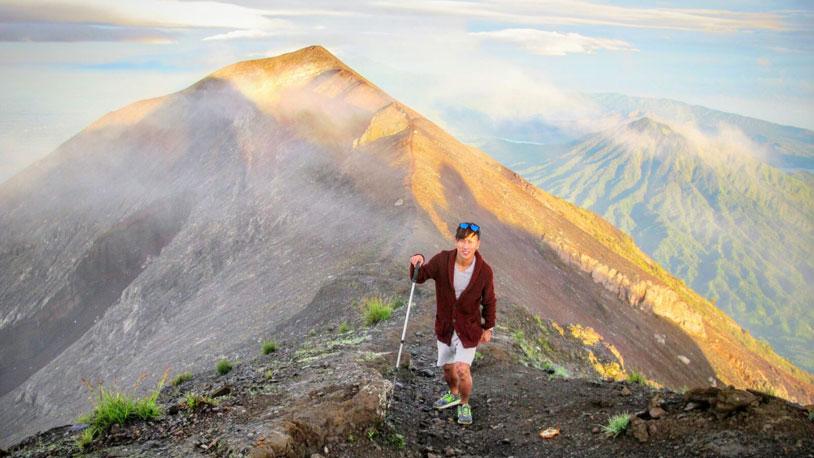
Bali is renowned for its beaches, cultural temples, and lush rice terraces, but beyond the coastline lies one of the island’s most iconic natural landmarks: Mount Agung. Standing as Bali’s highest peak at 3,031 meters (9,944 feet), Mount Agung is a volcano of immense cultural, spiritual, and adventure significance. The Mount Agung hike offers travelers the chance to experience breathtaking sunrise views, rugged volcanic landscapes, and a journey into Bali’s spiritual heart.
Whether you are an experienced hiker or an adventurous traveler seeking a challenge, Mount Agung promises an unforgettable trekking experience.
What Is the Mount Agung Hike?
The Mount Agung hike is a trek to the summit of Bali’s tallest volcano. Unlike casual walks or sightseeing tours, this is a physically demanding hike that requires stamina, preparation, and respect for the local environment. The trek typically takes 5–8 hours to ascend and descend, depending on the chosen route, weather conditions, and the hiker’s pace.
Mount Agung is also an active volcano, adding both thrill and significance to the hike. Along the way, hikers encounter steep slopes, rocky terrain, and volcanic ash trails. The summit rewards climbers with panoramic views of Bali, including Mount Batur, Lake Batur, and the eastern coastline.
Why Hike Mount Agung?
The Mount Agung hike offers more than just physical challenges. It is a journey of adventure, culture, and natural beauty. Here are some reasons to undertake this climb:
1. Unparalleled Sunrise Views
Many hikers start the trek in the early hours, aiming to reach the summit by sunrise. Watching the sun rise over Bali’s volcanic landscapes is an experience that few other destinations can match.
2. Spiritual Significance
Mount Agung is the spiritual center of Bali. Home to Pura Besakih, the “Mother Temple,” the mountain holds sacred value for Balinese Hindus. Climbing the mountain offers a glimpse into the island’s spiritual traditions, with shrines and prayer points along certain routes.
3. Adventure and Physical Challenge
At over 3,000 meters, Mount Agung is not a hike for the faint-hearted. The rugged trails, rocky paths, and steep inclines make it a true adventure for fitness enthusiasts and thrill-seekers.
4. Panoramic Views and Photography
The summit provides stunning vistas of Bali’s eastern region, including rolling clouds beneath your feet, volcanic peaks, lakes, and distant coastal areas—perfect for photography and capturing memorable moments.
Routes for the Mount Agung Hike
There are several routes to climb Mount Agung, each with its own characteristics and difficulty levels.
1. Pura Besakih Route
This is the most famous and culturally significant route. Starting near the Mother Temple, hikers experience the spiritual heart of Bali while trekking through volcanic terrain. It’s a moderately challenging trail with some steep sections, especially near the summit.
2. Pasar Agung Route
This route is shorter but steeper, offering a more physically demanding climb. It’s popular among experienced hikers who want a quicker ascent and fewer crowds.
3. Rendang Route
A less crowded path that passes through villages and pine forests. It provides a scenic hike with moderate difficulty, ideal for hikers looking for a balance of adventure and nature.
Difficulty and Preparation
The Mount Agung hike is considered challenging due to its steep slopes, rocky paths, and high elevation. Here’s what you need to know to prepare:
Physical Fitness
Climbers should be in good physical condition. Cardiovascular endurance and leg strength are important for managing the steep and rocky terrain.
Gear and Equipment
- Hiking boots or sturdy shoes for traction on rocky and uneven surfaces
- Headlamps or flashlights for early morning hikes
- Layered clothing to cope with cold summit temperatures
- Water and snacks for energy during the climb
- Gloves for gripping rocks during steep sections
Safety Considerations
- Check the volcano’s activity before hiking; Mount Agung is active, and authorities may close trails during eruptions.
- Consider hiring a local guide for navigation and safety.
- Start early for sunrise hikes and allow enough time for a safe descent.
Best Time to Hike Mount Agung
The ideal time for a Mount Agung hike is during Bali’s dry season, from April to October. During this period, the trails are more stable, visibility is better, and the chance of rainfall disrupting your climb is lower.
Sunrise hikes are particularly popular. Climbers usually start between 2:00 AM and 3:00 AM to reach the summit in time to witness the spectacular sunrise over Bali’s volcanic landscape.
What to Expect on the Hike
A typical Mount Agung hike includes:
- Early morning hotel pickup for sunrise hikes
- Trekking through black lava fields and volcanic rocks
- Passing pine forests, farmland, and rural villages
- Spiritual landmarks and small shrines along the trail
- Panoramic views from the summit at sunrise
- A descent back to the base, completing the adventure
The hike is strenuous but rewarding, offering not just scenic beauty but also a sense of accomplishment and connection to Bali’s spiritual and natural heritage.
Tips for a Successful Mount Agung Hike
- Hire a Local Guide – Essential for safety, cultural knowledge, and navigation.
- Check Weather and Volcanic Activity – Avoid hiking during poor weather or active volcanic alerts.
- Start Early – For sunrise hikes, leaving early ensures you reach the summit on time.
- Bring Essentials – Water, snacks, a headlamp, layered clothing, and a camera.
- Acclimate to Altitude – The summit is over 3,000 meters; take your time to avoid altitude sickness.
Conclusion
The Mount Agung hike is more than just a trek—it is an adventure, a spiritual journey, and a chance to witness some of Bali’s most stunning natural landscapes. With its towering elevation, rugged terrain, and panoramic vistas, it provides an unforgettable experience for hikers of all levels willing to take on the challenge.
Whether you’re chasing the sunrise, exploring sacred temples along the trail, or seeking the thrill of a volcanic summit, the Mount Agung hike offers a unique way to connect with Bali’s natural beauty and spiritual essence.
For adventure seekers, culture enthusiasts, and nature lovers alike, conquering Mount Agung is an achievement that will remain a highlight of any Bali itinerary.